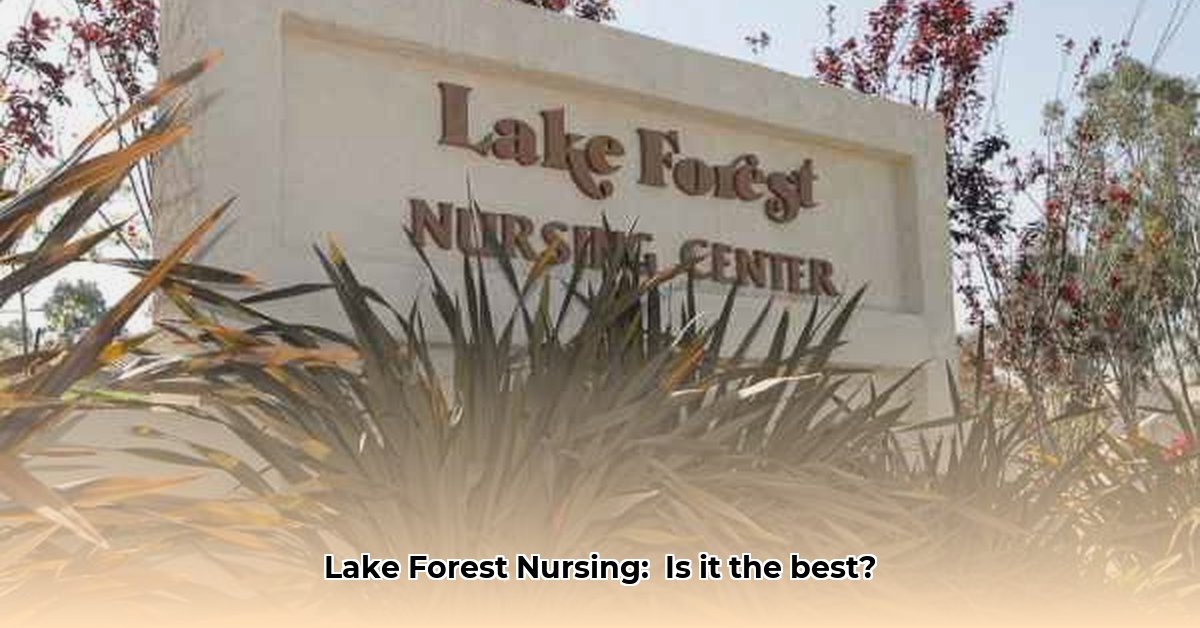
Choosing a nursing home for yourself or a loved one is a significant decision. This comprehensive review examines Lake Forest Nursing Center (LFNC) in Lake Forest, CA, offering a balanced perspective on its strengths and weaknesses for both short-term rehabilitation and long-term care. For comparison, consider other facilities like this nursing home.
Positive Aspects of Lake Forest Nursing Center
LFNC boasts several positive attributes. The facility utilizes state-of-the-art rehabilitation technology, including VitalStim® (a neuromuscular electrical stimulation device) and Closed Pulse Irrigation (a wound care technique). This advanced equipment can significantly aid recovery. The center's rehabilitation team serves both in-house residents and outpatient therapy clients, offering a broad range of services. Resident engagement is promoted through a variety of activities, from traditional games like bingo to planned outings. Numerous reviews praise the staff's kindness and attentiveness. Finally, the facility maintains a clean environment and benefits from a convenient location near major hospitals, facilitating emergency access.
Areas for Improvement at Lake Forest Nursing Center
While LFNC showcases many strengths, several areas require attention. The cost of care is a considerable factor, potentially posing a financial burden for some families despite Medicare assistance. The center's capacity to manage complex cases, particularly those involving immobile residents needing hospice care, needs improvement. While activities are offered, their suitability and effectiveness for residents with mobility challenges aren't detailed sufficiently. Further clarity is needed regarding the center's approach to meeting the nutritional and activity needs of less mobile residents. Increased transparency on staffing ratios and staff training would also enhance resident and family confidence.
Actionable Advice for Potential Residents/Families
Choosing the right nursing home involves careful planning. Follow these steps:
- Personalized Care Planning: Request a detailed care plan outlining how the facility will meet your specific needs. Insist on examples of successful care plans for similar situations.
- Cost Transparency: Obtain a complete breakdown of all costs, including those not covered by Medicare or Medicaid. Thorough financial understanding ensures peace of mind.
- Facility Visit and Staff Interaction: Schedule a visit. Observe staff interactions with residents and their responsiveness to your questions. First impressions are often valuable.
- Long-Term Care Needs Assessment: If long-term care is required, investigate the facility’s experience with comparable cases and its long-term capacity to provide adequate support. Ensure a cohesive match between the facility's capabilities and your needs.
- Online Review and Rating Analysis: Explore online review platforms for insights into others' experiences. Remember that individual experiences can vary significantly.
- Emergency Preparedness Inquiry: Inquire about emergency procedures and hospital coordination protocols. Understanding contingency plans is critical.
Actionable Advice for LFNC Administration
To further enhance the quality of care, LFNC should consider:
- Standardized Resident Assessments: Implement robust assessment protocols for each resident, paying close attention to the unique needs of those requiring hospice care, with a focus on nutrition and activity levels, to personalize care plans effectively.
- Enhanced Staff Training: Invest in comprehensive staff training programs focused on advanced care techniques, particularly for residents with limited mobility. This will improve the quality of patient care.
- Cost Review and Optimization: Conduct a thorough review of service costs to identify potential areas for cost reduction without compromising quality of care. This is essential for addressing family concerns.
- Development of Specialized Programs: Create tailored programs designed to address the specific challenges faced by immobile or cognitively impaired residents, maximizing quality of life.
- Strengthened Hospital Partnerships: Foster closer collaboration with local hospitals to streamline patient transitions and ensure seamless care coordination.
Conclusion: A Balanced Perspective on Lake Forest Nursing Center
Lake Forest Nursing Center offers a range of services, showcasing strengths in technology and staff attitude, but also areas for improvement in cost transparency and care for immobile residents. This review provides a foundation for your own research. The ultimate decision depends on individual needs and priorities. Remember, informed decision-making is key to selecting the best care option. Further investigation, including direct communication with the facility and comparison with other providers, is recommended.